
- Mornings from 10:30 am, 2–3 hours
- One topic per morning, fully hands-on
- Taught in English, adults over 18
- $2,800 MXN per person per class
These are Marilau’s signature classes — the pillars of the ancestral Mexican kitchen, each taught as its own complete morning. Pick the dish you have always wanted to master.
Salsas
Take this one first2-morning class
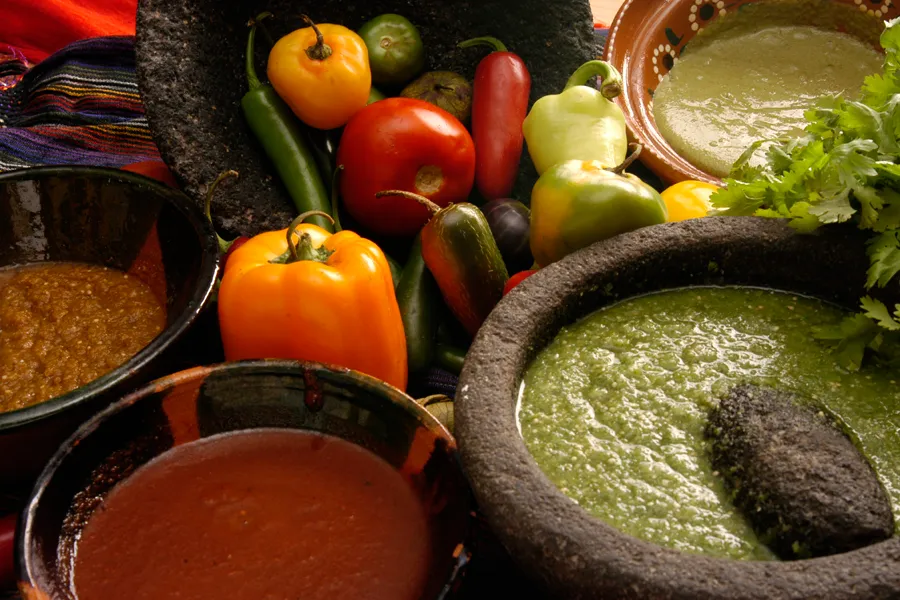
What the students learn here is fundamental to their education as an authentic Mexican cook. As in many other countries, Mexican cuisine is based on sauces (salsas). There is a large variety of them, and they may change their name depending on the ingredients or on what you will use them for.
Salsas in Mexico are the basis of traditional meals; they are not dips or “pico de gallo” salsa type. These salsas are used to top poultry, fish and meat, including vegetables — that’s why Marilau strongly recommends taking this class before the other courses. You will learn the basic techniques to work with fresh and dry chiles, prepare the basic salsas, and take home more than fifteen suggestions for using them in your kitchen every day.
The class is divided into two morning sessions: the first for fresh chiles, the second for dry chiles. Each runs 2½ to 3 hours.
Mole
Minimum 4 students2½–3 hours
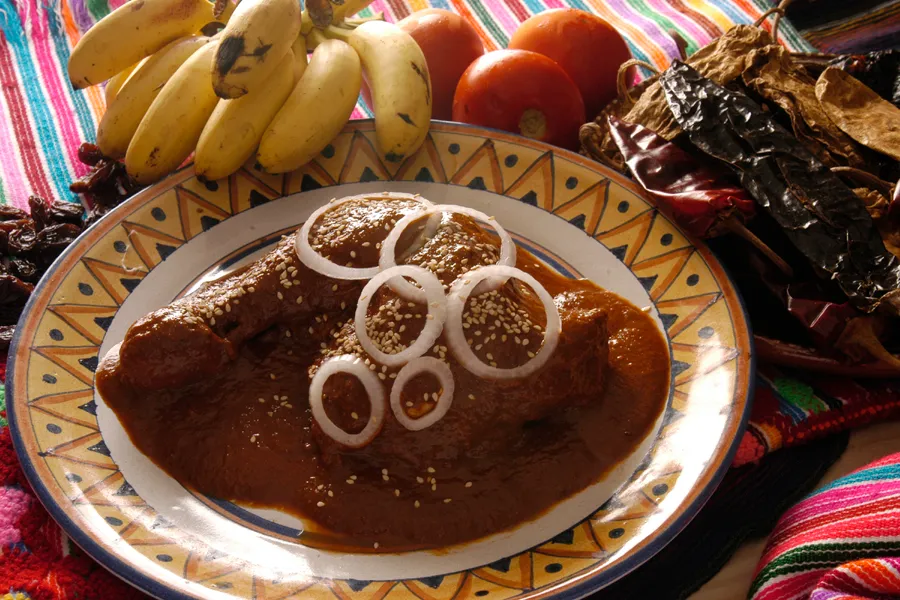
The word mole describes the most exquisite and complex sauce of Mexican gastronomy. Most mole recipes include between 25 and 30 ingredients, added gradually and in a certain order while cooking — many of them previously processed with different techniques.
The ingredients vary by the region where each recipe was born and may include dried chiles, nuts, fresh and dried fruits, seeds, spices and vegetables. Very few recipes include chocolate, despite the common belief that mole is a chocolate sauce. Marilau’s recipe uses around 28 ingredients — some traditional recipes call for up to 60!
Tamales
One morning
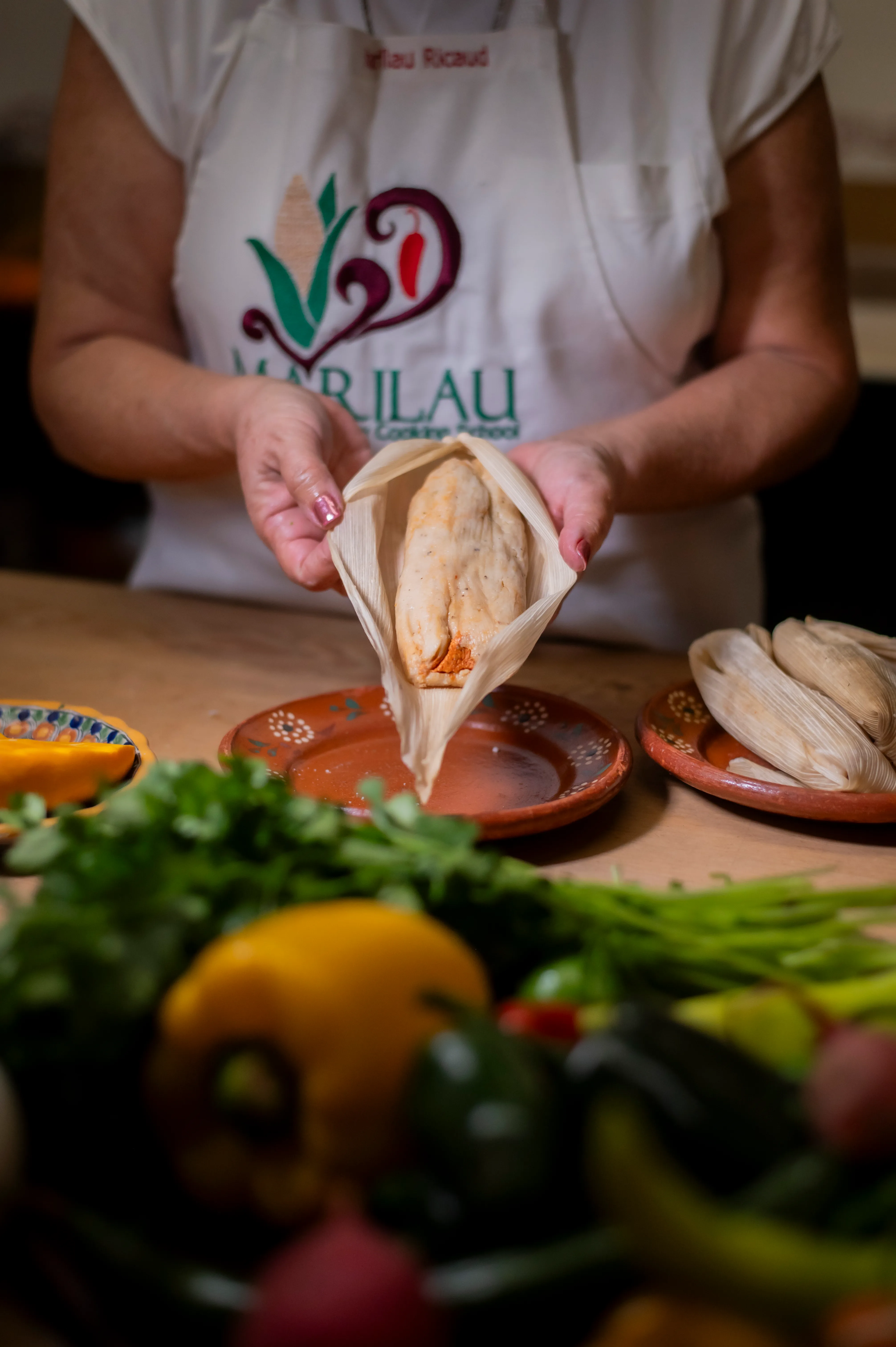
While the tamales are being steam-cooked, you will learn how to make the salsas to fill them. In Mexico, all year is the right time to eat tamales.
Pozole
One morning
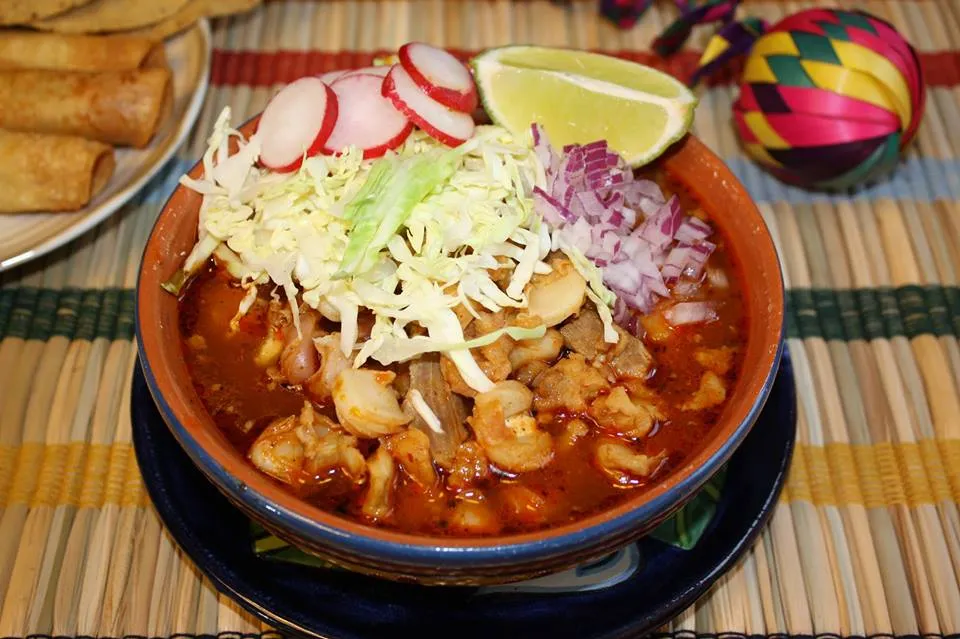
A very traditional dish with its origin in pre-Columbian culture. Mexicans enjoy this specialty in the frame of religious and official festivities, such as the September Fiestas Patrias or the Christmas Posadas.
It is prepared with hominy, cooked well done, then joined by a very thick salsa made with dry chiles, onion, garlic, tomatoes and oregano. Once the soup is completely cooked, it is served over shredded pork and topped with finely sliced lettuce, diced white onion, thin radish slices, dry oregano and lime — with tostadas on the side.